:
As cryptocurrency adoption continues to grow, securing digital assets has become a top priority for investors and everyday users alike. Ledger is a well-known provider of hardware wallets designed to protect cryptocurrencies from online threats. The getting started process with a Ledger device is designed to be simple, secure, and accessible, even for users with no prior experience using hardware wallets. This guide explains how to begin using a Ledger wallet and why each step plays an important role in safeguarding your digital assets.
The journey begins once you have your Ledger hardware wallet in hand. Before using the device, it is important to ensure that it is genuine and has not been tampered with. Ledger devices are built with security features that allow users to verify authenticity during setup. This initial verification helps protect against counterfeit devices and ensures that your wallet meets Ledger’s security standards. Starting with a trusted device lays the foundation for long-term asset protection.
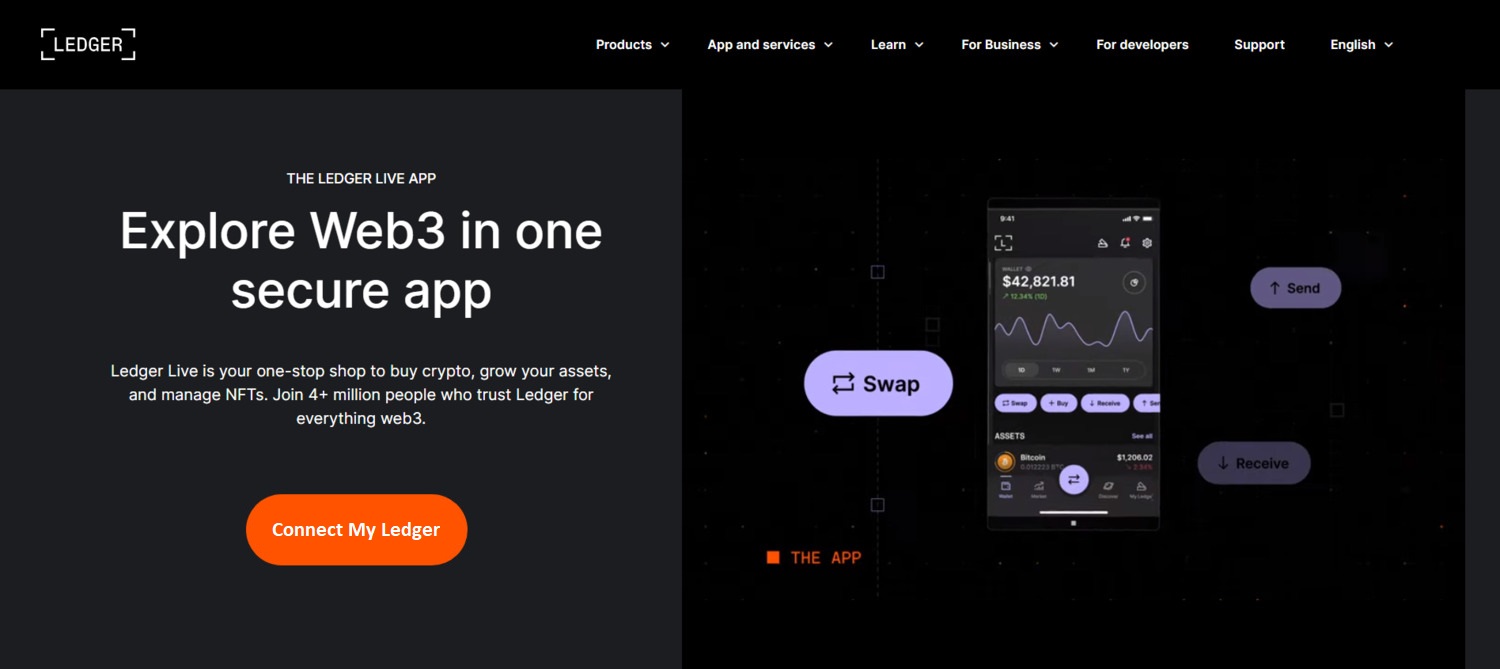
To manage your Ledger device, you need to install Ledger Live, the official companion application. Ledger Live is available for desktop and mobile platforms, allowing users to manage their cryptocurrency on computers or smartphones. After downloading and installing the application, you launch it and select the option to begin setting up a new device. The software then guides you through the setup process with clear, step-by-step instructions, making it easy to follow along.
Connecting your Ledger device to your computer or mobile phone is the next step. Depending on the model, this connection may be made using a USB cable or wireless technology. Once connected, the device powers on and prompts you to begin configuration. You will be asked to create a PIN code directly on the hardware wallet. This PIN protects your device from unauthorized access if it is lost or stolen. Choosing a strong, unique PIN is essential, as it acts as the first line of defense for your crypto holdings.
After setting the PIN, the Ledger device generates a recovery phrase. This phrase consists of a series of words that serve as the ultimate backup for your wallet. If your Ledger device is ever lost, damaged, or reset, the recovery phrase allows you to restore access to your funds. It is critical to write this phrase down carefully and store it in a secure, offline location. Ledger emphasizes that the recovery phrase should never be shared or stored digitally, as anyone with access to it can control your assets.
Once the recovery phrase is confirmed, the initial device setup is complete. Ledger Live then synchronizes with your hardware wallet, allowing you to manage your cryptocurrency portfolio. Within the application, you can add accounts for different cryptocurrencies. Ledger supports a wide range of digital assets, making it possible to manage multiple coins and tokens from a single interface. Each account displays balance information, transaction history, and other relevant details in a clear and organized manner.
Receiving cryptocurrency with a Ledger wallet is straightforward. Ledger Live generates a receiving address for the selected asset, which you can use to transfer funds from an exchange or another wallet. Before confirming the address, you verify it on the Ledger device itself. This verification step ensures that the address shown on your screen has not been altered by malicious software. Confirming addresses on the hardware wallet is a critical security feature that helps protect against common attack methods.
Sending cryptocurrency follows a similar security-focused process. When you initiate a transaction in Ledger Live, the details are sent to the hardware wallet for approval. You must physically confirm the transaction on the Ledger device before it is broadcast to the network. This ensures that even if your computer or phone is compromised, unauthorized transactions cannot occur without your direct approval. This method of transaction signing keeps private keys securely isolated within the device at all times.
Ledger Live also provides tools beyond basic sending and receiving. Users can monitor portfolio performance, view real-time market prices, and track changes in asset value over time. Some supported assets offer additional features such as staking, allowing users to earn rewards by participating in network validation. These features are integrated into Ledger Live in a way that maintains the same high security standards as basic wallet operations.
Security remains a central focus throughout the Ledger experience. Private keys are generated and stored within the secure element of the hardware wallet and never leave the device. Ledger Live does not store or transmit private keys, reducing exposure to online threats. Regular firmware and software updates further enhance protection by addressing vulnerabilities and expanding asset support. Keeping both the device and application up to date is an important part of maintaining a secure environment.
Equally important is user responsibility. Safeguarding the recovery phrase, using trusted devices, and staying alert to phishing attempts are essential practices. Ledger will never ask for your recovery phrase through the application or via messages. Understanding these principles helps users avoid common scams and maintain control over their assets.
In conclusion, getting started with a Ledger hardware wallet involves verifying the device, installing Ledger Live, setting a secure PIN, backing up the recovery phrase, and managing assets through a secure application. Each step is designed to balance ease of use with strong security. By following the setup process carefully and adopting safe practices, users can confidently store, manage, and grow their cryptocurrency holdings. Ledger provides a reliable foundation for self-custody, empowering users to take full control of their digital assets while minimizing risk in an increasingly complex crypto landscape.